




What Is Property Maintenance?
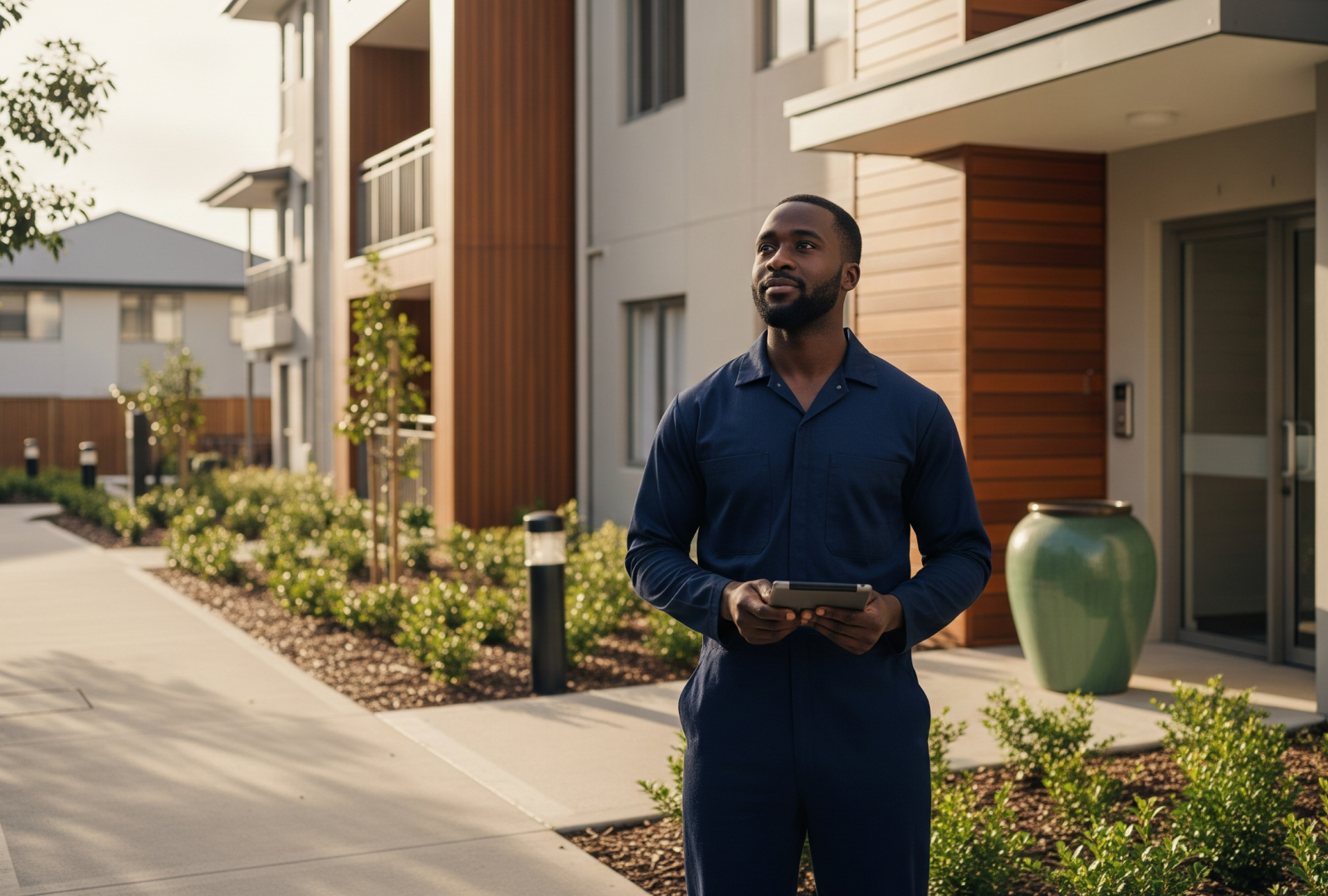
In the multifamily world, “property maintenance” means a lot more than fixing a broken cabinet hinge. It means managing hundreds of units, shared amenities, life-safety systems, and exterior grounds — often simultaneously, often across multiple buildings. When property maintenance runs well, residents barely notice it. When it doesn’t, you hear about it fast.
The best operators aren’t just responding to problems as they pop up. They’re building structured property maintenance programs that prevent costly failures, keep compliance in check, and make the resident experience genuinely better.
Why Property Maintenance Is Important
Here’s the honest truth: skipping or delaying maintenance doesn’t save money — it just moves the cost further down the road, usually with interest. A small roof issue ignored for one season can turn into a five-figure repair bill. A broken hallway light becomes a liability risk. A slow leak becomes mold.
The case for consistent property maintenance isn’t complicated. Here’s what’s actually at stake:
1. Protecting Property Value
Buildings deteriorate. That’s just physics. But how fast they deteriorate is largely a function of how well they’re maintained. Consistent upkeep preserves your building infrastructure and slows the kind of wear that chips away at asset value over time.
2. Improving Resident Satisfaction
Residents notice when things work — and they really notice when they don’t. Clean common areas, functioning appliances, and quick response times don’t just check a box. They shape how residents feel about where they live and whether they’ll sign another lease. Resident satisfaction and maintenance quality are closely tied, and the data backs that up.
3. Reducing Emergency Repairs
This one’s about getting ahead of the curve. Preventive maintenance inspections exist specifically to catch problems before they escalate. An HVAC filter that gets replaced on schedule is a lot cheaper than an emergency HVAC replacement in August.
4. Supporting Compliance and Safety
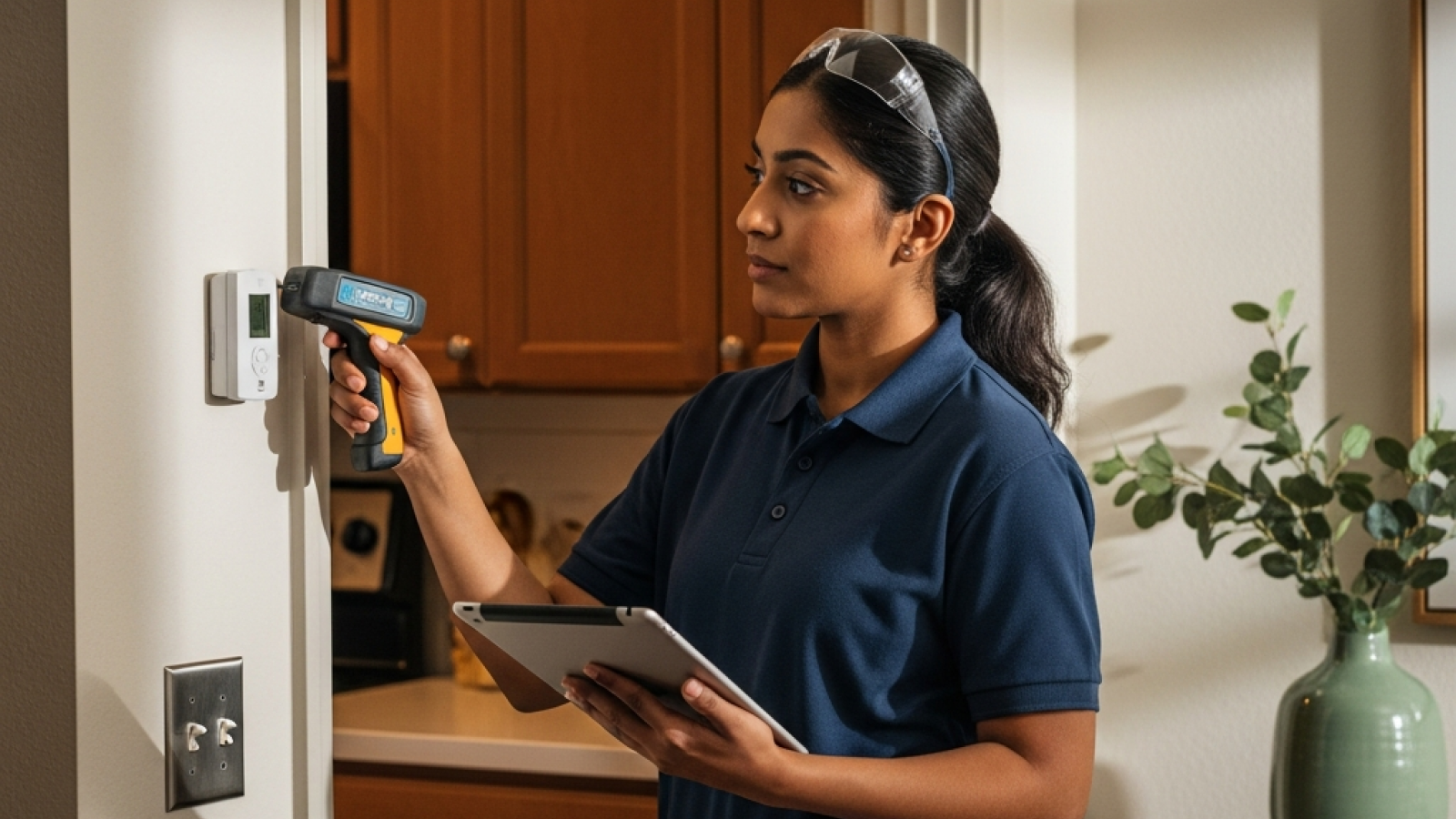
Fire alarms, carbon monoxide detectors, emergency lighting, structural integrity — these aren’t optional. Routine inspections help ensure your buildings stay compliant with safety standards and that life-safety systems are actually working when they’re needed.

Types of Property Maintenance
Not all maintenance tasks are created equal. Understanding the different types helps maintenance teams prioritize effectively and build programs that actually hold up.
Preventive Maintenance
Preventive maintenance is the proactive side of the equation — scheduled inspections and servicing designed to stop problems before they start. This is where the most leverage lives.
Think:
- HVAC filter replacement
- Water heater inspections
- Roof and gutter inspections
- Fire alarm testing
When preventive maintenance is working well, teams spend less time chasing emergencies and more time running predictable, planned operations.
Corrective Maintenance
Corrective maintenance kicks in when something’s discovered to be broken — either through an inspection or a resident report. It’s reactive by definition, but a good maintenance program minimizes how often you’re here.
Think:
- Appliance repair
- Plumbing leaks
- Electrical issues
- Broken fixtures
Emergency Maintenance
Some situations can’t wait. Emergency maintenance covers urgent repairs that pose a direct safety risk or significantly disrupt building operations — the kind of calls that come in at midnight. How your team handles these moments has a direct impact on resident trust.
Think:
- Flooding or major plumbing failures
- Power outages
- Elevator failures
- Heating failures in winter
Routine Maintenance
Routine maintenance is the steady drumbeat of tasks that keep communities clean, safe, and attractive on a day-to-day basis. It doesn’t make headlines, but it shapes the lived experience of every resident who walks through your doors.
Think:
- Landscaping and groundskeeping
- Cleaning and upkeep of common areas
- Lighting replacements
- General upkeep
The Benefits of Property Maintenance
A well-run maintenance program pays for itself — sometimes many times over. Here’s what it actually delivers:
1. Reduced Operational Costs
Routine maintenance prevents the expensive repairs that come from letting small problems grow. It also extends the useful life of equipment, which reduces capital expenditure over time. The math isn’t complicated: a $200 inspection now versus a $20,000 replacement later.
2. Increased Asset Longevity
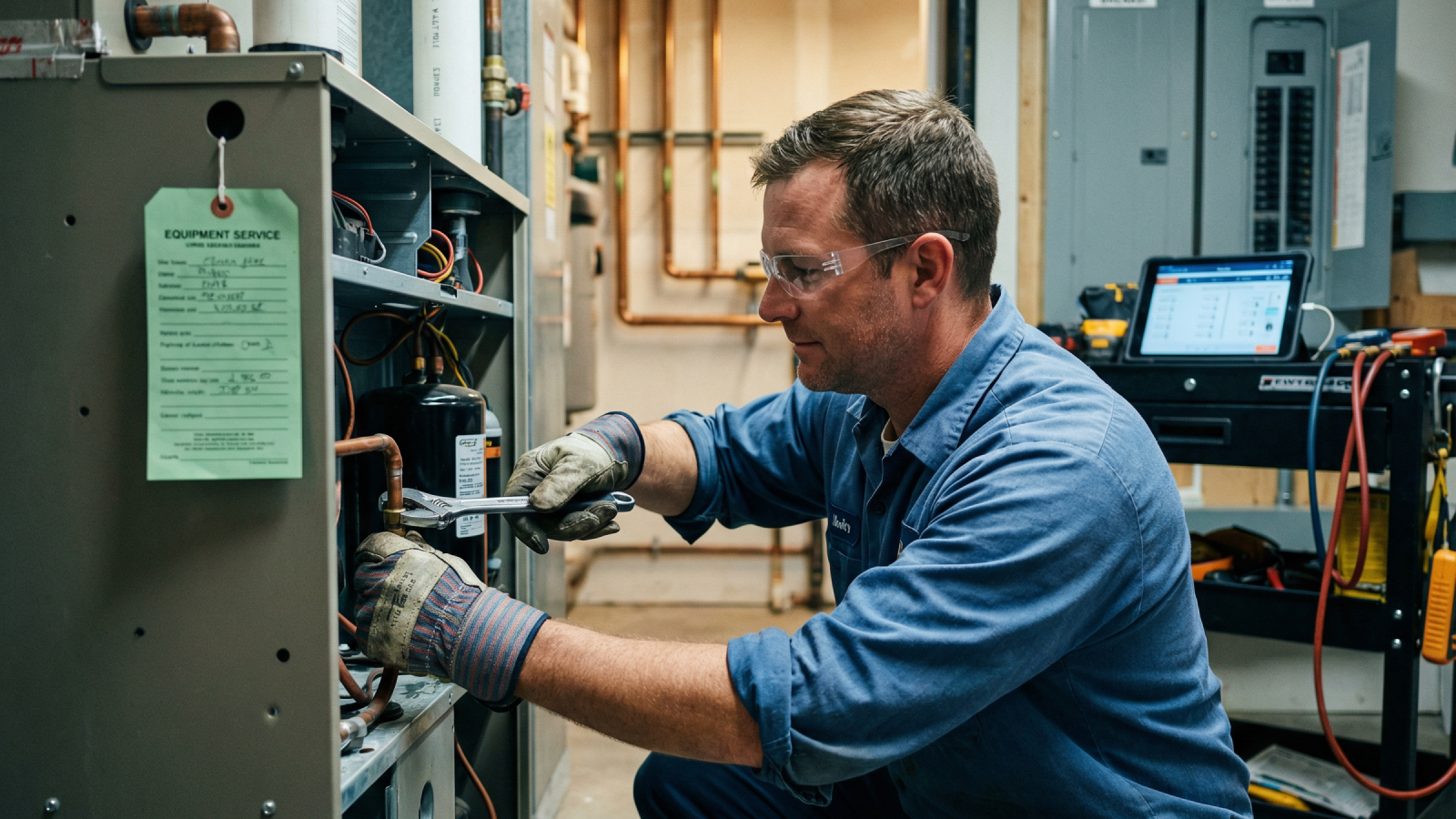
Building systems — HVAC, plumbing, electrical, roofing — last significantly longer when they’re serviced regularly. For asset managers and owners, that’s a direct impact on capital planning and long-term return.
3. Improved Resident Experience
Speed matters. So does reliability. When residents know their requests get handled quickly and that building systems work the way they’re supposed to, it creates the kind of living environment people want to stay in — and tell their friends about.
4. Operational Predictability
This might be the most underrated benefit. A standardized property maintenance program lets teams forecast labor needs, anticipate costs, and plan capital expenditures with real data. Instead of scrambling, you’re planning. That shift — from reactive to predictable — is what separates struggling operations from high-performing ones.

Steps to Building a Property Maintenance Strategy
Building a maintenance program that actually holds up takes more than good intentions. Here’s a practical framework to get there.
Step 1: Audit & Define Your Goals
Before you can improve, you need an honest look at where you are. Walk the property. Review existing maintenance records. Talk to your techs. Ask yourself:
- What systems need the most attention right now?
- Where are the biggest safety or compliance risks?
- What does “good” look like for this property or portfolio?
Step 2: Prioritize Your Maintenance
Not everything is equally urgent. Effective teams learn to triage. Prioritizing tasks based on safety risk, resident impact, and operational importance. A burned-out parking lot light and a failing fire suppression system are both “maintenance issues,” but they’re not the same kind of problem.
Step 3: Implement Preventive Scheduling
Once you know what needs regular attention, build the schedule. Examples of preventive cadences that work well in multifamily:
- Quarterly HVAC servicing
- Annual roof inspections
- Seasonal fire safety testing
The goal is to make critical system maintenance automatic. Something that happens because it’s scheduled, not because something broke.
Step 4: Systemize Requests & Tracking
A maintenance request that falls through the cracks is worse than no system at all, because now you have a frustrated resident and an unresolved problem. Requests need a structured workflow: captured, assigned, tracked, closed. Platforms like HappyCo enable centralized maintenance operations where inspections, work orders, and preventive schedules are all managed in one place — across the entire portfolio.
Step 5: Review & Refine
Maintenance programs aren’t “set it and forget it.” Regular performance reviews, such as looking at response times, repair costs, and recurring issues help teams identify what’s working and where the gaps are. The data tells the story. The question is whether you’re listening to it.
Buildings That Require Property Maintenance
Property maintenance isn’t exclusive to one type of asset. Most built environments require some level of ongoing care to stay safe and operational.
1. Multifamily Housing
Apartment communities are arguably one of the most maintenance-intensive environments out there. Imagine the scale: hundreds of individual units, each with its own plumbing, electrical, and HVAC systems, all needing regular upkeep. Add to that the shared amenities like pools, gyms, and clubhouses, plus the core building infrastructure such as roofs, elevators, and security systems. All of this is happening while managing the expectations of residents whose homes and comfort are on the line every single day.
2. Rental Properties
Maintenance is essential for single-family rentals and smaller apartment units to ensure they are habitable and meet local housing standards. This includes routine checks and repairs of plumbing, electrical systems, HVAC units, and addressing any structural issues promptly. Landlords who are proactive about rental property maintenance, creating a safe and comfortable environment, often experience lower turnover rates as tenants are more likely to renew their leases.
3. Commercial Buildings
Office buildings and retail spaces come with their own unique and complex set of maintenance demands. Beyond general upkeep, these commercial properties require specialized attention, including regular HVAC servicing to ensure a comfortable environment for employees and customers, mandatory elevator inspections for safety and compliance, and ongoing infrastructure repairs to maintain the building’s integrity and functionality. The stakes are particularly high in these environments, where failure to meet compliance standards can result in significant legal and financial liabilities.
4. Mixed-Use Developments
Properties that blend residential and commercial tenants, often called mixed-use developments, face the added complexity of maintaining shared infrastructure. This includes managing common areas like parking lots, elevators, and utility systems that serve both apartment dwellers and retail customers. The challenge is intensified by the differing needs and expectations of each group; residents prioritize privacy and quiet enjoyment, while commercial tenants require high visibility, customer foot traffic, and specific operational hours.
Examples of Property Maintenance Tasks
Day-to-day maintenance in a multifamily community is essential for ensuring the safety, functionality, and appearance of the property. It covers a wide range of proactive inspections, reactive repairs, and general upkeep tasks that keep the community running smoothly for residents.
Think:
- HVAC inspections and filter replacements
- Plumbing leak detection and repairs
- Appliance maintenance
- Roof inspections
- Gutter cleaning
- Fire safety equipment testing
- Exterior lighting inspections
- Landscaping and groundskeeping
- Elevator inspections
Tools like HappyCo allow maintenance teams to standardize these tasks across properties and automatically generate work orders when inspections turn up issues.
Common Job Roles in Property Maintenance
Maintenance operations are a team sport. To win, everyone needs to know their role and who’s responsible for what.
1. Property Manager
The property manager sets the tone for all maintenance operations. They hold the ultimate responsibility for the entire maintenance lifecycle, from initial tenant requests to final inspections. This includes ensuring repairs are not only completed on time and within budget but also that high service standards are consistently met. Ultimately, their role is to make sure that the maintenance team’s performance aligns with and supports the broader property goals, such as tenant satisfaction, asset preservation, and profitability.
2. Maintenance Supervisor
The supervisor is the operational engine of the team. They are responsible for coordinating the day-to-day activities of technicians, acting as the central point of contact for assignments and support. A key part of their role is to prioritize the work queue, ensuring that the most critical tasks are addressed first to meet deadlines and service level agreements. They also manage complex schedules, juggling appointments, and allocating resources effectively to maximize productivity. Ultimately, the supervisor’s job is to keep everything moving smoothly, stepping in to troubleshoot and make decisive calls, especially when things get complicated.
3. Maintenance Technician
Technicians are the ones out in the field every day, serving as the hands-on force for your entire operation. They are responsible for a wide range of critical duties, from performing complex repairs and running detailed inspections to carrying out routine preventive maintenance tasks. Because they are on the front lines, their daily workload, overall morale, and operational capacity have a significant and direct impact on every other part of the maintenance department and the business as a whole.
4. Vendors & Contractors
Certain tasks require specialized expertise that falls outside the scope of a standard maintenance team. For these complex jobs, it’s essential to bring in external vendors. Think of services like HVAC companies for intricate heating and cooling system repairs, licensed electricians to ensure all wiring is safe and up to code, and professional plumbers to handle major pipework or drainage issues. These external partners have the specific training, tools, and certifications needed to handle jobs that go beyond your in-house capabilities, ensuring the work is done correctly and safely.
Property Maintenance Checklist for Managers
A solid property maintenance checklist keeps maintenance consistent and nothing slipping through the cracks. Here’s a core set of items to work from:
- Inspect HVAC systems
- Test smoke and carbon monoxide detectors
- Check plumbing fixtures for leaks
- Inspect roofs and gutters
- Check lighting in hallways and parking areas
- Inspect sidewalks and walkways for safety hazards
- Test fire extinguishers and emergency lighting
- Inspect appliances within units
- Review landscaping and irrigation systems
Best Practices for Effective Property Maintenance
The operators who consistently outperform on maintenance share a few habits in common. Here’s what that looks like in practice:
1. Standardize Maintenance Workflows
Consistency matters at scale. When inspections, repairs, and preventive maintenance tasks follow the same procedures across every property, quality goes up and things fall through the cracks less often. Standardization is what makes centralization possible.
2. Centralize Maintenance Operations
More and more multifamily operators are moving toward centralized maintenance models — where a single team supports multiple properties rather than siloing maintenance resources property by property. Done well, this improves efficiency, reduces labor costs, and makes it easier to maintain consistent standards.
3. Use Data to Improve Performance
Gut instinct only takes you so far. Maintenance analytics help teams spot recurring issues, identify high-cost problem areas, and make smarter decisions about where to invest time and resources. The best programs are built on data, not guesswork.
4. Adopt Digital Maintenance Platforms
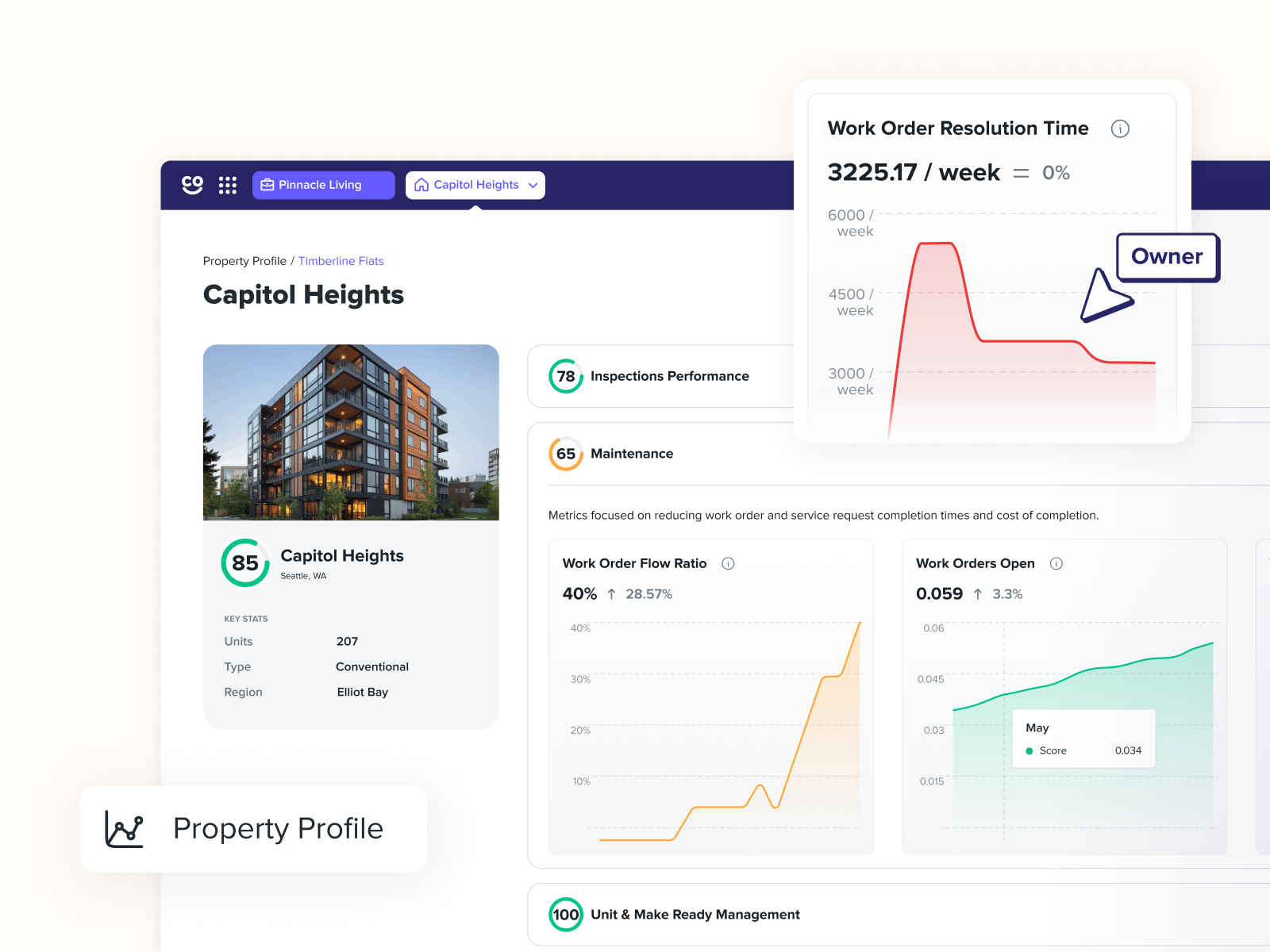
Paper logs and spreadsheets weren’t built for managing maintenance at portfolio scale. Platforms like HappyCo help teams standardize inspections, manage work orders, and track performance across the entire portfolio — all in one place. That kind of operational visibility is increasingly what property owners and asset managers expect.
Property Maintenance: A Manager’s Guide to Safety & Efficiency
Property maintenance is one of those functions that rarely gets celebrated when it’s working well — but it’s painfully obvious when it’s not. The communities that stay safe, efficient, and attractive for residents are the ones with structured programs behind them: preventive schedules, clear workflows, data-informed decisions, and the right tools to tie it all together.
The good news? None of this has to be built from scratch.
With HappyCo, property teams can:
- Standardize maintenance inspections across properties
- Automatically generate work orders from inspection findings
- Track preventive maintenance schedules
- Monitor maintenance performance across the portfolio
- Create audit-ready maintenance documentation
By enabling centralized maintenance operations and consistent workflows, HappyCo helps property teams move beyond reactive repairs and toward predictable, scalable operations that actually hold up at scale.
FAQs
Who Is Responsible for Maintenance in a Rental Property?
In most cases, the landlord or property management company is responsible for maintaining building systems and infrastructure. Tenants are typically responsible for reporting issues promptly and keeping their units in reasonable condition.
How Often Should Property Maintenance Be Performed?
It depends on the system. Most properties follow monthly inspection cycles for high-touch areas, quarterly preventive maintenance for mechanical systems, and annual safety checks for life-safety equipment. The right cadence is really a function of the asset, its age, and local compliance requirements.
How Do Property Managers Handle Maintenance Requests?
Most modern property managers use digital maintenance platforms to capture requests, assign technicians, and track repairs through to completion. This creates visibility for residents, accountability for teams, and documentation for ownership.
What Is the Difference Between Property Maintenance and Property Management?
Property management is the broader function — it covers leasing, financial performance, compliance, and overall operations. Property maintenance is a specific subset of that, focused on the physical upkeep of buildings, equipment, and infrastructure.
Lauren Seagren is the Content Marketing Specialist at HappyCo, where she leads the company’s content strategy and storytelling across channels. She develops and optimizes campaigns, blogs, case studies, and enablement materials, while building the systems that help content scale and align across teams. Prior to HappyCo, Lauren led content and brand strategy across SaaS startups, creative agencies, and growth-stage companies, bringing more than a decade of experience driving measurable growth across B2B and B2C organizations.


