




What Is a Home Maintenance Checklist?
A home maintenance checklist is a structured list of maintenance tasks organized by area, system, or time period to ensure that a property is inspected, serviced, and repaired on a consistent schedule. For multifamily communities, this checklist covers both individual apartment units and shared building areas.
For individual homeowners, it's a personal planning tool. For property managers overseeing hundreds of units, it's an operational framework — one that, when paired with a maintenance management platform, becomes the basis for automated work orders, compliance documentation, and portfolio-wide performance tracking.
A typical multifamily home maintenance checklist includes tasks such as:
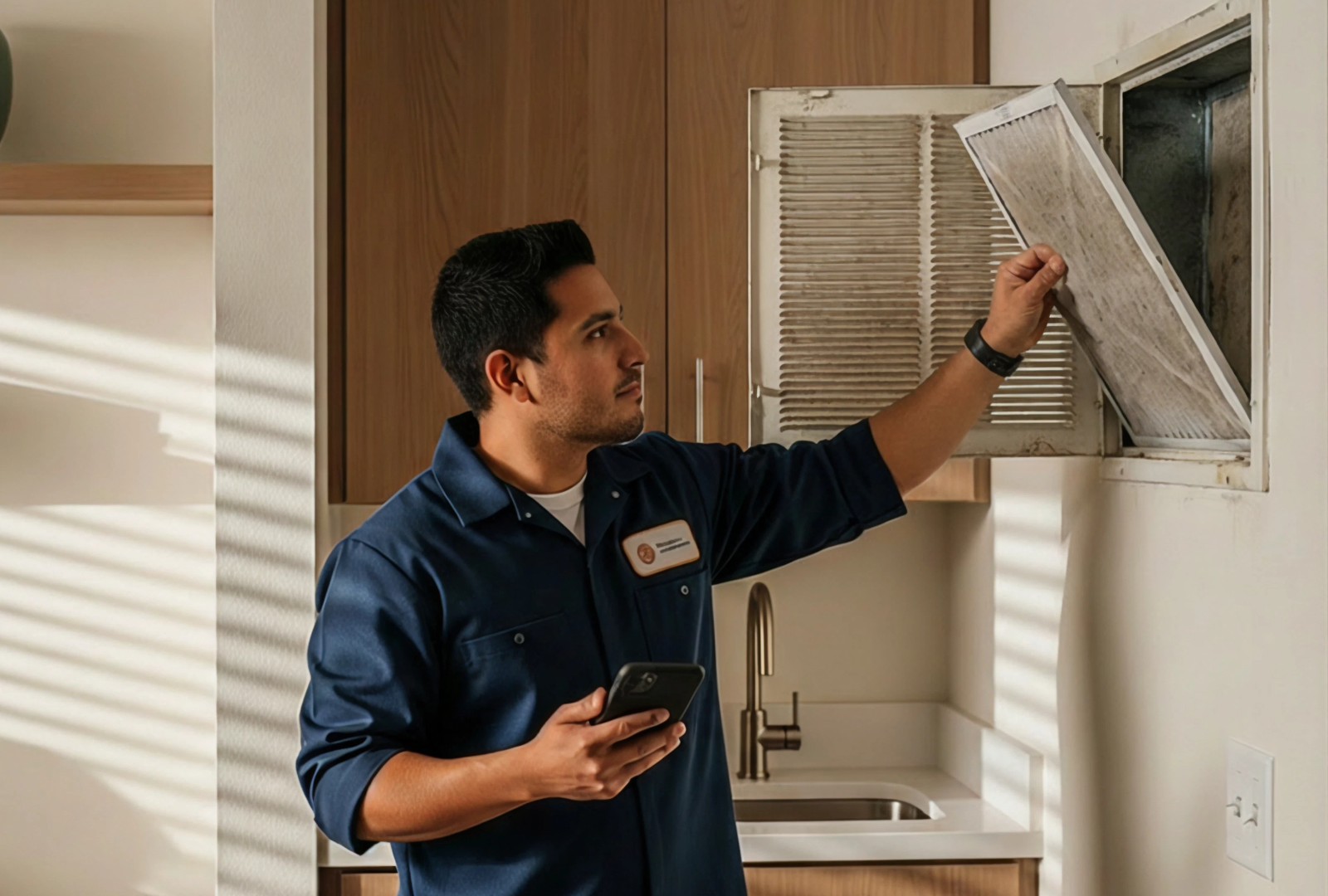
- Inspecting HVAC systems and replacing filters
- Checking roofs, gutters, and drainage systems
- Testing smoke detectors and life safety equipment
- Inspecting walkways, parking areas, and exterior lighting
- Checking appliances and plumbing in units
- Monitoring landscaping and tree branches near buildings
The most effective checklists layer time-based organization on top of area-based organization: some tasks happen monthly, others seasonally, and others only once a year.

Why a Home Maintenance Checklist Is Important
For multifamily operators, a home maintenance checklist is about more than staying organized. Here’s why it matters at the portfolio level:
1. Prevents Deferred Maintenance
Deferred maintenance, the practice of postponing necessary repairs on a property, is one of the most expensive problems in property management. Over time, these small, neglected issues can snowball into major, costly repairs. Implementing standardized checklists creates a system of accountability, ensuring that regular upkeep is consistently performed and preventing minor maintenance tasks from accumulating into significant financial burdens.
2. Protects Asset Value
Consistent maintenance, including regular inspections, timely repairs, and preventive care, preserves the physical condition and structural integrity of your buildings. This proactive approach not only protects the value of your real estate investment by preventing costly large-scale repairs down the line, but also provides crucial data to support more accurate and effective long-term capital planning.
3. Improves Resident Satisfaction
Residents in well-maintained communities tend to be more satisfied, leading to fewer complaints and service disruptions. This positive living experience often translates into higher renewal rates, creating a stable and happy community for everyone.
4. Enables Scalability
Implementing a standardized home maintenance checklist across your entire portfolio ensures that every community, no matter where it’s located or who is on the management team, adheres to the exact same high standards of upkeep and care. This consistent approach simplifies quality control and guarantees a uniform experience for all residents.
5. Supports Compliance
In facility management, many maintenance tasks aren’t just best practices — they’re legally required. These can include routine elevator certifications to ensure passenger safety, regular fire safety inspections to comply with local codes, and various other mandatory checks. Overlooking any of these legal requirements can lead to hefty fines, legal liabilities, and potential safety hazards. Using detailed checklists is a crucial strategy to ensure that nothing is overlooked and that your facility remains compliant and safe.
6. Creates Defensible Documentation
Maintaining thorough and up-to-date maintenance records is a critical business practice. Not only do these records serve as a comprehensive history of an asset’s care, but they also protect operators in liability situations. In the event of a legal dispute or a formal regulatory inquiry, these completed records provide tangible proof of due diligence, demonstrating a commitment to safety and compliance.

The Complete Home Maintenance Checklist
This section organizes tasks by area of the property — not time — giving maintenance teams a comprehensive reference for what to inspect and maintain across every part of the asset.
Interior Maintenance
Units & Living Spaces:
- Test smoke detectors and carbon monoxide detectors.
- Inspect and replace HVAC filters.
- Check for plumbing leaks under sinks and around toilets.
- Test GFCI outlets in bathrooms and kitchens.
- Inspect appliances for functionality and safety.
- Check caulking around tubs, showers, and sinks.
- Inspect windows and doors for drafts, damage, and proper operation.
- Check for signs of water damage, mold, or pest activity.
- Test garage door openers and safety reversal mechanisms (if applicable).
Common Areas & Corridors:
- Inspect hallway and stairwell lighting.
- Check fire extinguisher placement and service dates.
- Inspect flooring for wear, damage, or trip hazards.
- Test emergency lighting and exit signs.
- Inspect mailroom, laundry room, and package room for maintenance issues.
Mechanical Rooms & Systems:
- Inspect boilers and water heaters.
- Check electrical panels for labeling, wear, and clearance.
- Inspect sump pumps.
- Check elevator mechanical rooms (per maintenance contract).
- Inspect fire suppression system components.
Exterior Maintenance
- Inspect roofing for damage, missing materials, or ponding water.
- Clean gutters and downspouts.
- Inspect exterior caulking and weatherstripping.
- Check siding, stucco, or masonry for cracks or water intrusion.
- Inspect walkways, parking lots, and curbs for cracks or hazards.
- Check exterior lighting.
- Inspect fences, gates, and security features.
- Test irrigation and drainage systems.
- Inspect signage and wayfinding for damage.
Systems Maintenance
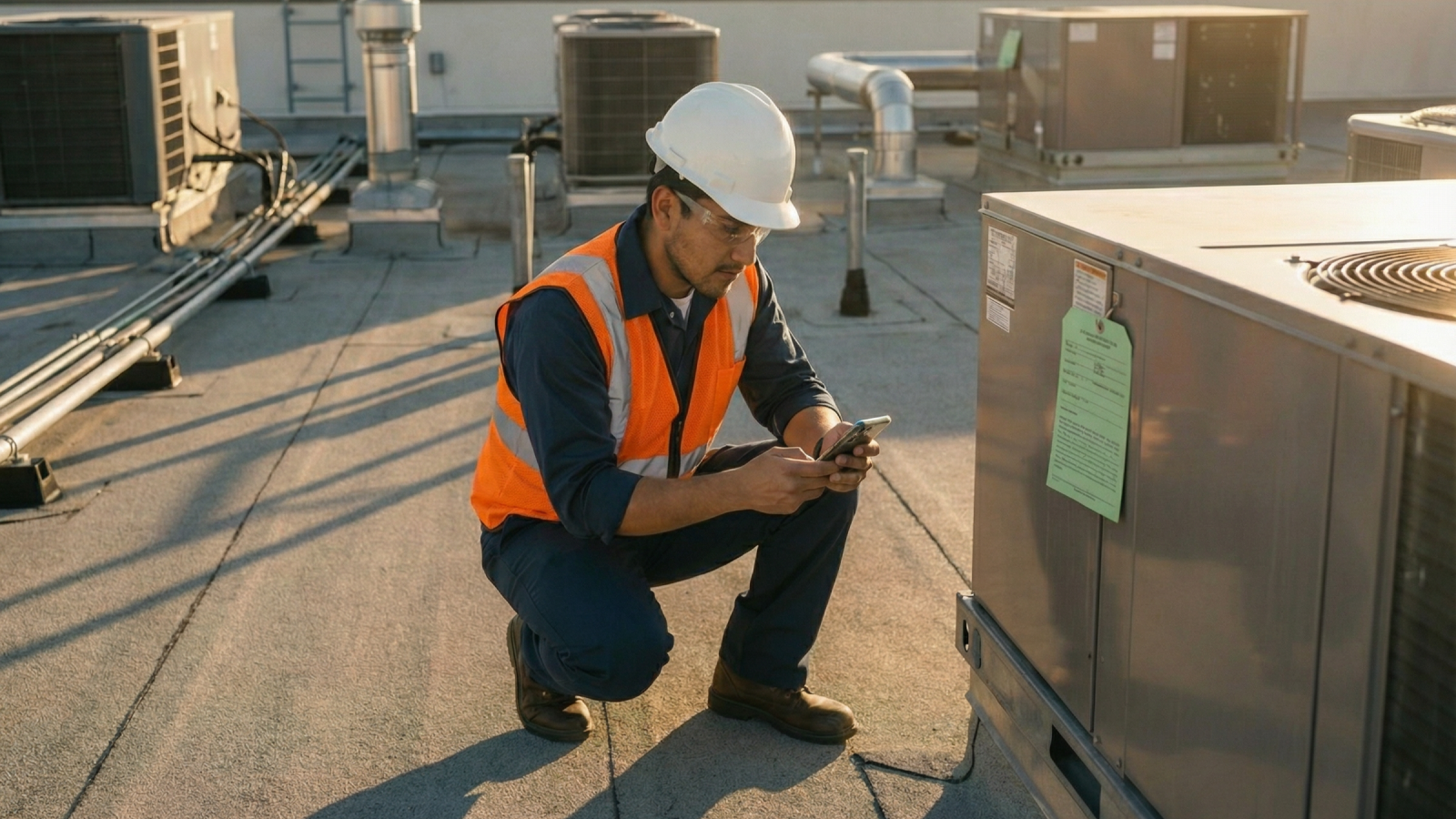
- HVAC: filter changes, coil cleaning, refrigerant check, and thermostat calibration.
- Plumbing: pressure checks, water heater inspection, and backflow preventer testing.
- Electrical: panel inspection, exterior lighting, and GFCI testing.
- Fire & Life Safety: sprinkler system testing, alarm panel inspection, and fire extinguisher servicing.
- Elevator: per local code and maintenance contract.
- Generator (if applicable): monthly test run — annual service.
Maintenance Teams Typically Perform:
- Quarterly HVAC inspections.
- Biannual water heater inspections.
- Routine safety system checks.
Preventative maintenance guidance from organizations like the National Apartment Association (NAA) also emphasizes routine system inspections to prevent failures.
Seasonal Home Maintenance Checklist
Weather creates urgency in property maintenance. A seasonal home maintenance checklist ensures your communities are prepared before each season — not scrambling to respond after it arrives.
Spring Home Maintenance Checklist
Spring is the time to assess winter damage and prepare for warm weather. Key spring tasks include:
- Inspect roof and gutters after freeze/thaw cycles for damage.
- Check exterior paint, siding, and masonry for winter deterioration.
- Flush and restart irrigation systems.
- Service air conditioning systems before the cooling season begins.
- Inspect and clean dryer vents.
- Check window screens and exterior doors.
- Test and inspect decks, patios, and outdoor amenities.
- Perform unit inspections for any winter damage (leaks, drafts, moisture).
- Clean common areas following winter conditions (salt staining, debris).
Summer Home Maintenance Checklist
Summer brings heavy AC load and outdoor amenity use. Key summer tasks include:
- Monitor AC performance across the portfolio; respond to cooling complaints promptly.
- Inspect and maintain pool, spa, and water features (chemical levels, equipment).
- Check irrigation systems and landscaping for watering adequacy.
- Inspect roofing after any major storms.
- Test outdoor lighting as sunset times shift.
- Maintain pest control programs.
- Inspect parking lot surfaces for heat-related deterioration.
Fall Home Maintenance Checklist
Fall is your most critical preparation window. Key fall tasks include:
- Service and inspect all heating systems before demand season.
- Replace HVAC filters portfolio-wide.
- Winterize irrigation systems before the first freeze.
- Clean gutters after leaf fall.
- Inspect and seal any gaps in exterior envelopes (windows, doors, penetrations).
- Test smoke detectors and CO detectors as residents begin using heat.
- Stock emergency supplies (salt, sand, equipment) for winter maintenance.
- Complete any outstanding exterior work before weather prevents access.
Winter Home Maintenance Checklist
Winter maintenance is about safety, system reliability, and rapid response. Key winter tasks include:
- Monitor boiler and heating system performance closely.
- Respond rapidly to heating complaints (often a habitability issue).
- Keep walkways, parking lots, and building entrances clear of snow and ice.
- Inspect pipe insulation in vulnerable areas; monitor for freeze risk during extreme cold.
- Check for ice dams on rooflines after heavy snowfall.
- Maintain emergency response protocols for power outages or system failures.
- Perform indoor inspections where exterior work isn’t possible.

Home Maintenance Checklist by Month
Bookmark this quick-reference guide to recurring monthly tasks across the year:
- January: Check heating systems, inspect for ice dams, and monitor walkway safety.
- February: Inspect plumbing in cold-exposed areas and test emergency lighting.
- March: Begin spring HVAC prep and assess winter damage.
- April: Service AC systems, start irrigation, and inspect roofing.
- May: Check pool systems and inspect outdoor amenities.
- June: Monitor AC performance, pest control check.
- July: Mid-summer AC inspection, parking lot check.
- August: Storm damage assessment and pre-fall HVAC scheduling.
- September: Begin fall HVAC service and schedule irrigation winterization.
- October: Complete heating system prep, clean gutters, and seal building envelope.
- November: Winterize irrigation, stock winter supplies, and test CO detectors.
- December: Heating system monitoring, snow/ice response readiness.
Yearly Home Maintenance Checklist
Some maintenance tasks only come around once a year, but they’re the big ones you can’t afford to miss. A structured annual maintenance checklist is your secret weapon, helping your property team budget for major upgrades and stop catastrophic failures before they ever happen.
A yearly home maintenance list for multifamily properties includes:
- Roof inspection (full assessment, not just a visual from the ground).
- Boiler and water heater service.
- Annual fire alarm and sprinkler system testing (per code).
- Elevator inspection and certification.
- Backflow preventer testing.
- Electrical panel inspection.
- Full exterior paint and siding assessment.
- Parking lot crack sealing and restriping (as needed).
- Chimney and fireplace inspection (if applicable).
- Full building envelope inspection.
Apartment Maintenance Checklist for Tenants & Owners
An apartment maintenance checklist looks different depending on who’s responsible for what. In multifamily settings, lease agreements define the division of responsibility — but here’s a general guide:
Tenant Responsibilities (Typical)
- Replace light bulbs and HVAC filters (in some agreements).
- Report maintenance issues promptly.
- Keep units clean and free of conditions that promote mold or pest activity.
- Test smoke and CO detectors and notify management if not functioning.
Owner/Operator Responsibilities (Typical)
- All mechanical systems (HVAC, plumbing, electrical).
- Structural components (roof, foundation, exterior walls).
- Appliances provided with the unit.
- Common areas and amenities.
- Compliance-required inspections and certifications.
- Emergency response.
Property Maintenance Checklist for Managers
For property managers overseeing multiple communities, a property maintenance checklist serves as a governance tool — ensuring every site meets portfolio standards. Key elements include:
- Monthly: Review open work order aging report; confirm PM completion rates; assess resident maintenance satisfaction scores.
- Quarterly: Conduct community walkthrough inspections; review vendor performance; update asset inventory.
- Semi-annually: Conduct formal building inspections; review PM schedule accuracy; assess technician training needs.
- Annually: Full portfolio maintenance audit; capital planning review; vendor contract renewals; compliance certification tracking.
Average Home Maintenance Cost Per Year
Maintenance costs in multifamily vary widely based on asset age, location, portfolio mix, and maintenance strategy. Common benchmarks used in the industry:
- Rule of Thumb: Operators often budget 1–2% of a property’s value per year for maintenance and upkeep (i.e. a budget of $3,000–$6,000 for a property valued at $300,000).
- Per-Unit Cost: Maintenance spend typically ranges from $800–$2,500+ per unit per year depending on age, asset class, and geography.
- Deferred Maintenance Premium: When a deferred work order becomes an emergency, it often costs 3–5x more than a scheduled repair.
Tips to Manage Home Maintenance Efficiently
For operators managing large multifamily portfolios, these strategies separate high-performing maintenance programs from average ones:
Automate Recurring Work Orders
Instead of relying on manual scheduling, which can be prone to errors and oversights, use a dedicated maintenance platform to automatically generate your preventive maintenance tasks. This ensures consistency and frees up valuable time for your team.
Centralize Your Asset Inventory
Knowing what equipment you have, where each piece is located, and when it was last serviced is the foundation of any efficient maintenance program. This level of insight allows you to move from a reactive to a proactive approach, preventing costly downtime and extending the lifespan of your assets.
Use Mobile-First Tools for Your Technicians
Mobile access to critical information like work orders, complete unit service history, and digital documentation tools can dramatically improve field execution for technicians. By providing everything they need on a phone or tablet, they can arrive on-site better prepared, work more efficiently, and complete tasks faster, ultimately boosting productivity and customer satisfaction.
Close the Loop With Residents
Even when the resolution of a maintenance request takes longer than anticipated, residents who are kept in the loop with regular status updates consistently report higher levels of satisfaction. This communication fosters trust and demonstrates that their concerns are being actively addressed, turning a potential point of frustration into an opportunity for positive engagement.
Track Completion Rates & SLAs
Without tracking key metrics like preventive maintenance completion rates and service-level agreement (SLA) response time, you’re essentially managing your team and assets in the dark. These crucial data points offer visibility into your team’s efficiency and the overall health of your operations, enabling you to make informed decisions instead of just guessing.
Standardize Across Your Portfolio
Consistent processes, consistent documentation requirements, and consistent reporting metrics create a unified standard of operation. This uniformity allows regional managers to accurately compare and contrast performance across different communities, identify best practices, and implement targeted improvements where they are needed most.
Your Ultimate Home Maintenance Checklist for Multifamily Properties
A comprehensive home maintenance checklist — organized by area, season, and month — gives multifamily operators the framework needed to keep every community performing at its best. When that framework is codified in a maintenance management platform and executed consistently across the portfolio, operators gain something even more valuable: visibility, predictability, and control.
Whether you’re managing 500 units or 50,000, the fundamentals of great property maintenance don’t change — but the tools you use to manage them at scale absolutely do.
HappyCo helps property teams streamline inspections, preventative maintenance, and repair workflows across their communities.
With HappyCo, teams can:
- Perform unit and property inspections using customizable templates
- Capture photos, notes, and documentation during site visits
- Automatically generate work orders from inspection findings
- Track preventative maintenance across buildings and systems
- Manage inventory and procurement for maintenance supplies
By digitizing your home maintenance checklist and routine inspections, HappyCo helps property teams stay proactive, organized, and efficient.
FAQs
How Often Should Home Maintenance Be Done?
Some tasks — like testing smoke detectors or inspecting common area lighting — should be done monthly. Others, like roof inspections or fire system certifications, are annual. A structured home maintenance checklist by month helps operators ensure every task gets done at the right interval.
How Can I Handle Unexpected Maintenance Issues?
Even the best PM program can't prevent every unexpected failure. The key is having a clear emergency work order process: defined escalation paths, after-hours contacts, and rapid-response protocols. Operators who track emergency work order trends over time can also identify patterns that preventive maintenance can address going forward.
What Is Included in a Home Maintenance Checklist?
A comprehensive home maintenance checklist covers interior spaces (units, common areas, mechanical rooms), exterior components (roof, siding, parking lots), building systems (HVAC, plumbing, electrical, fire safety), and seasonal preparation tasks. It also includes compliance-required inspections and recurring PM tasks specific to each asset category.
What Should Be Included in a Spring Home Maintenance Checklist?
A spring home maintenance checklist should focus on: assessing winter damage to the roof, siding, and exterior; servicing AC systems before cooling season; restarting irrigation; inspecting outdoor amenities; and completing any outstanding interior inspections for winter-related issues like moisture intrusion or draft.
What Is the Difference Between Home Maintenance and Property Management?
Home maintenance refers specifically to the physical upkeep of a property — inspections, repairs, preventive servicing, and emergency response. Property management is the broader function that encompasses leasing, resident relations, financial management, and compliance, of which maintenance is one critical component.
Lauren Seagren is the Content Marketing Specialist at HappyCo, where she leads the company’s content strategy and storytelling across channels. She develops and optimizes campaigns, blogs, case studies, and enablement materials, while building the systems that help content scale and align across teams. Prior to HappyCo, Lauren led content and brand strategy across SaaS startups, creative agencies, and growth-stage companies, bringing more than a decade of experience driving measurable growth across B2B and B2C organizations.


