


.png)


There’s a moment most maintenance leaders know well. You log in first thing in the morning and before you’ve had coffee, you’re staring at 190 open work orders. You know you won’t close 190 today. You probably won’t close 50. And somewhere in the back of your mind, a quiet calculation starts: what do I sacrifice?
That moment — what panelists at NAA Apartmentalize 2026 called “the doom scroll of maintenance” — is where burnout begins. Not with a dramatic breaking point, but with the slow, grinding weight of never being caught up.
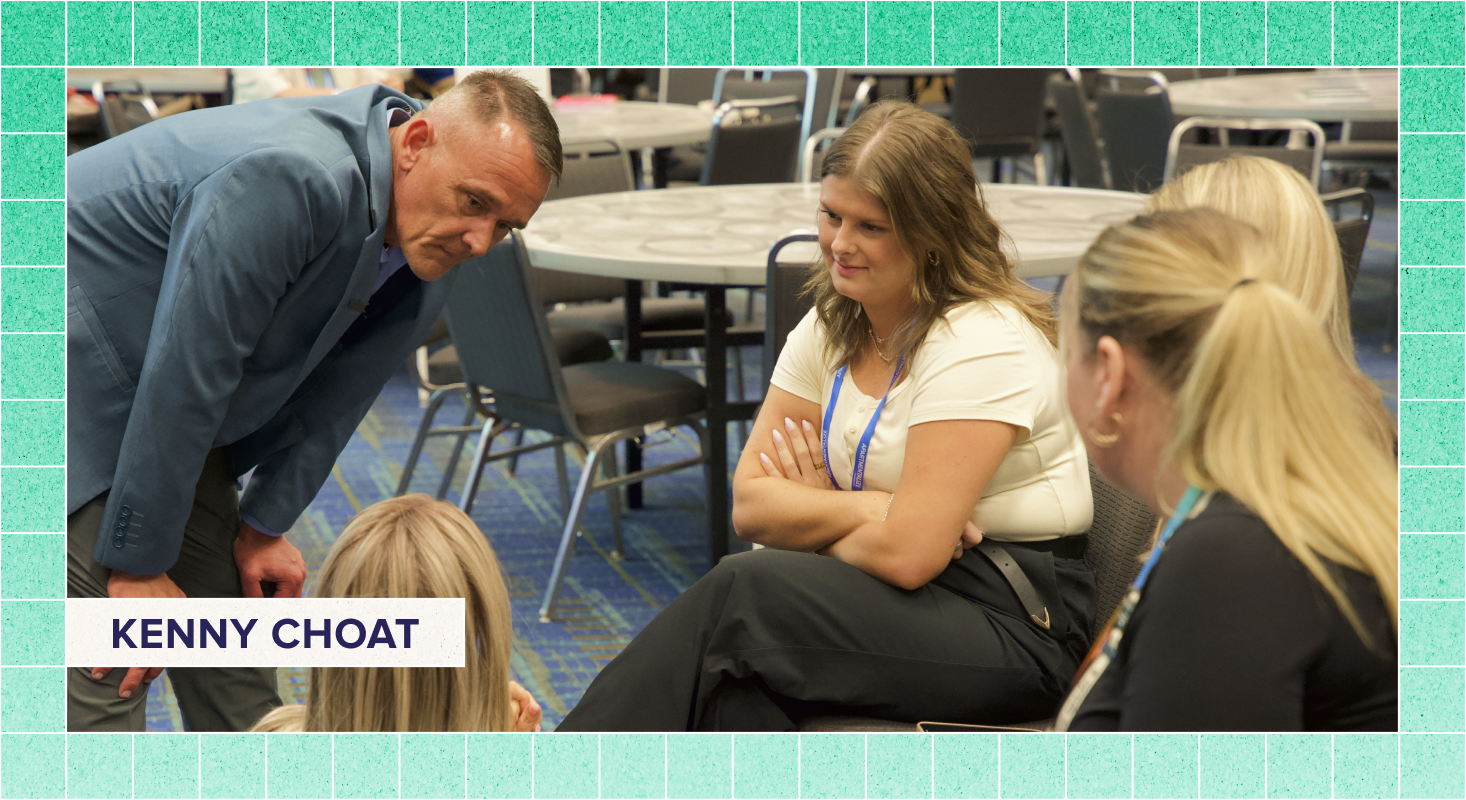
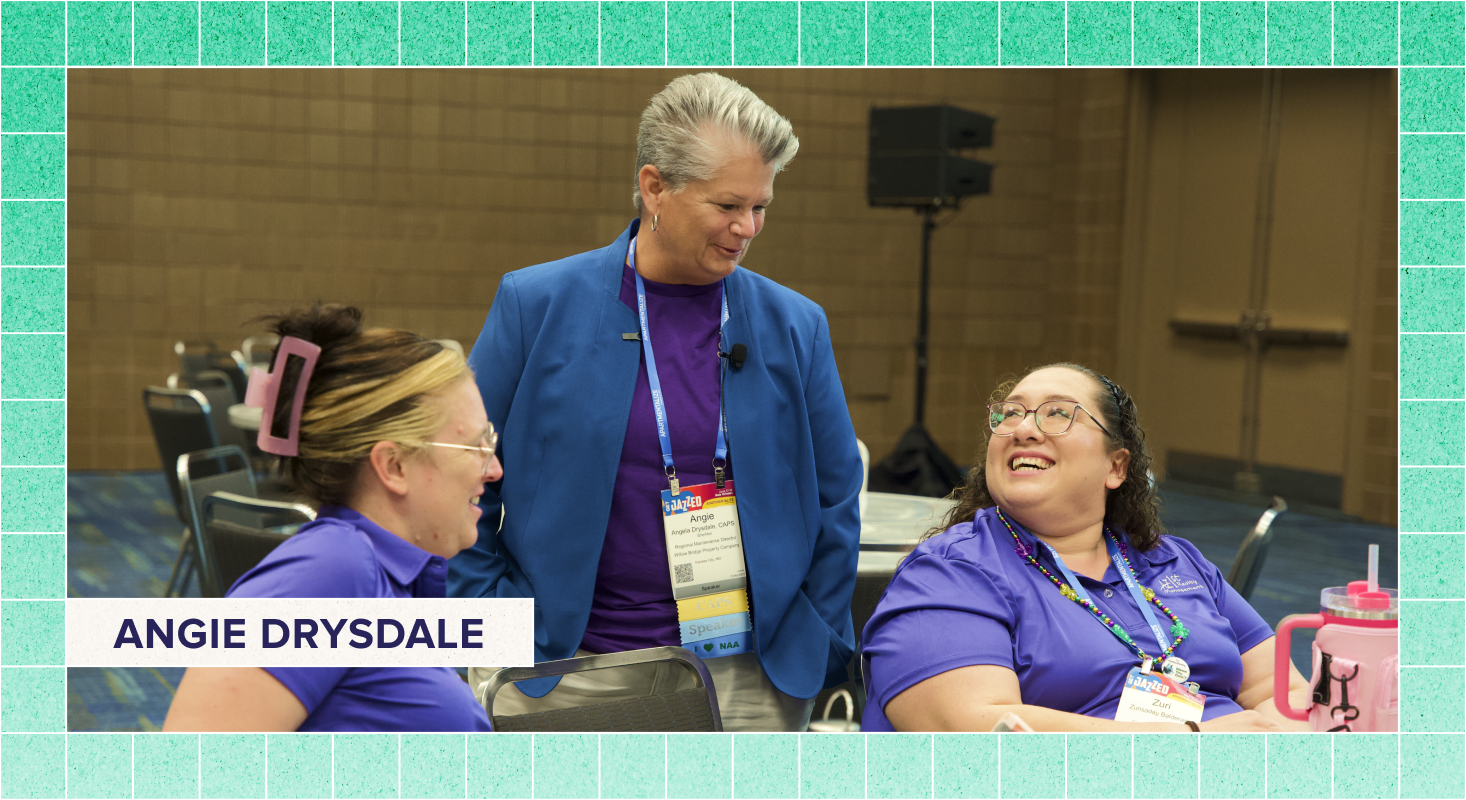
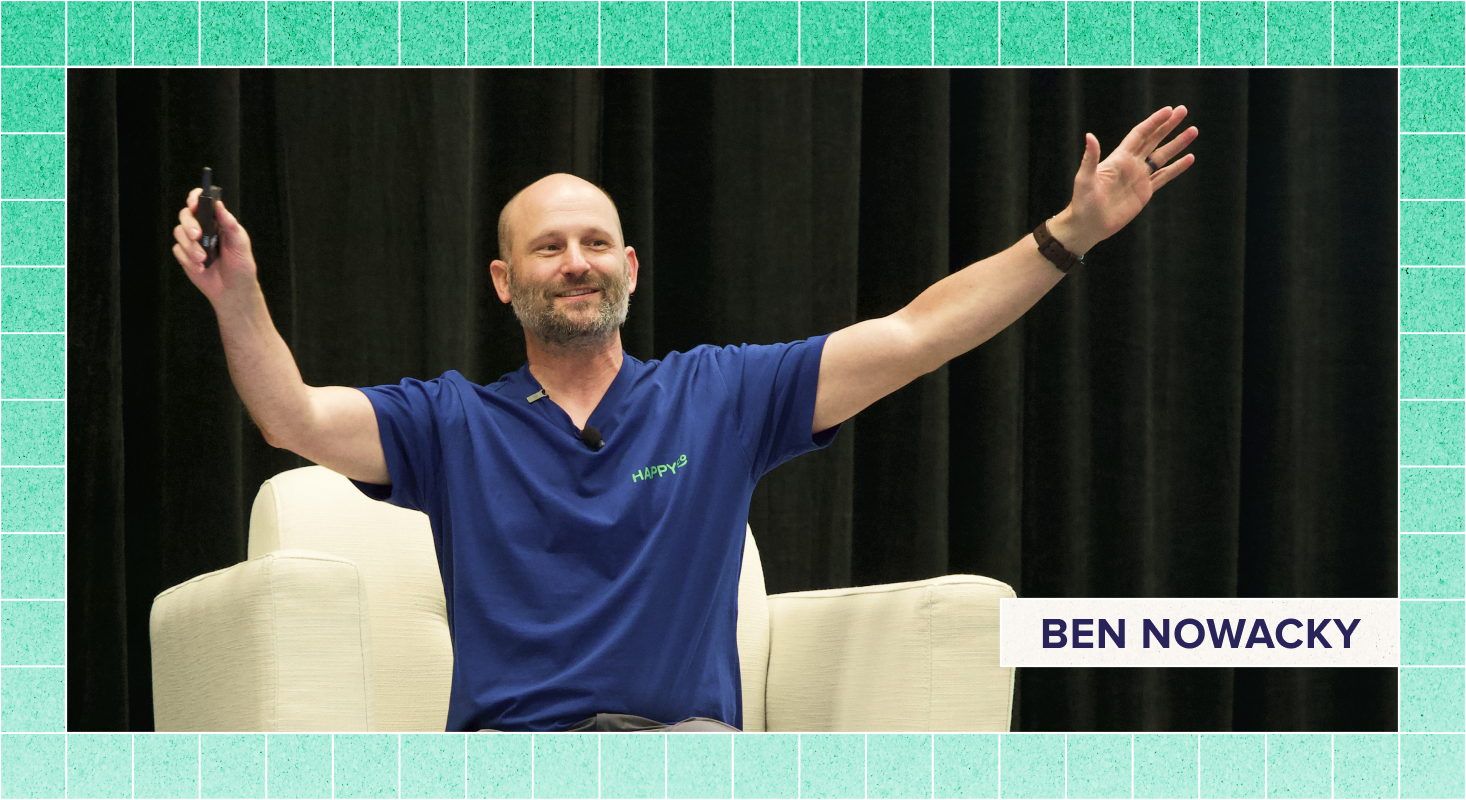
At a packed session in New Orleans this June, HappyCo President Ben Nowacky joined Angela Drysdale of Willow Bridge Property Company and Kenny Choat of Thompson Thrift to get honest about one of multifamily’s most overlooked crises. The room didn’t want a list of tactics. They wanted to talk about the real stuff.
The Pressure is Structural, Not Personal
The conversation started with what’s changed. Aging assets with 1980s plumbing — pipes so thin from decades of drain cleaner that a single snake job punches a hole through. Amenity-heavy communities that didn’t exist 15 years ago: resort pools, access control systems, outdoor kitchens, climbing walls. On-call schedules that mean maintenance technicians are never fully off.
“Every day management comes in and says we’ve got the golden app — one app to rule them all. And it’s going to solve all our problems. If you just do this one thing, everything is going to get fixed today. And it never is. And it falls on the teams.”
— Ben Nowacky | President, HappyCo
Maintenance technicians today are expected to be customer service representatives, vendor coordinators, and tech-platform power users — all while turning units, managing work orders, and staying reachable after hours. The load isn’t incidental. It’s structural.
What Burnout Looks Like Before the Resignation Letter
The panelists were direct about what burnout looks like before it becomes a two-week notice. It’s not usually a dramatic moment. It starts earlier — with an attitude shift.
“By the time they turn in their notice, it’s too late. You might be losing a good person who just maybe needed a conversation. The attitude shift is so important to notice because that’s where it starts first.”— Kenny Choat | Director of Maintenance, Thompson Thrift
A technician who was always first in starts showing up differently. Response times on messages stretch from hours to days. Call-outs tick up — someone who never missed a day starts calling twice a month. The work that used to be done with care starts getting done quickly, or not at all.
And when burnout reaches the supervisor — the person everyone else leans on — the entire team feels it. They stop delegating. They try to absorb everything themselves. The make-ready board doesn’t get filled out. Vendors don’t get called. Units sit.
“No one in maintenance likes to ask for help. We’re very bad at it. It’s one of the most important things we need to coach — to say that it’s okay to speak up.”— Kenny Choat | Director of Maintenance, Thompson Thrift
Angela shared the story of a supervisor who had been on call seven days a week for months after a colleague’s injury. The signs were there — shorter responses, resistance to one-on-ones, and an edge that hadn’t been there before. The fix wasn’t a performance plan. It was a week off call, coverage pulled from another site, and an honest conversation.
“It was kind of like his birthday. He was very excited. Open communication and solving for the right problems can provide great solutions.”— Angela Drysdale, CAPS | Regional Maintenance Director, Willow Bridge Property Company
What Actually Helps: Autonomy, Mastery, & Purpose
The panel referenced a management framework the room recognized immediately: the three things employees need from their work — autonomy, mastery, and purpose.
For maintenance teams, autonomy means being given a task list and trusted to execute it. Not micromanaged. Not pulled in ten directions before noon. Mastery means a real path to grow — not just completing tickets, but becoming genuinely skilled at the work. And purpose means understanding that fixing a sink isn’t just a ticket closed. It’s someone’s home.
“It’s not just about fixing a sink or cleaning a pool. It’s providing a home. This is where they live. They put roots down. They raise their kids. The teams are helping create that sense of community and ownership. That’s the purpose of being in this field.”— Ben Nowacky | President, HappyCo
Small goals matter just as much. Maintenance technicians are wired for completion — they get a shot of dopamine when something’s fixed and they move on. An endless scroll of 190 items doesn’t give them that. A focused list of 15 does.
“If I have a list of 15 things that’s my goal today, the chance of me completing those 15 things is exponentially higher than looking at 100 things. Clarity is kindness.”— Kenny Choat | Director of Maintenance, Thompson Thrift
Empowerment works too. Asking a technician what they would do in a situation — and meaning it — builds trust faster than any recognition program. Let the maintenance lead make some calls. Let the groundskeeper weigh in. When people feel trusted, they show up differently.
Technology: Enabler or Accelerant?
Technology came up repeatedly — not as a solution, but as a variable. The difference between a tool that helps and one that breaks trust often comes down to how it’s introduced.
“Imagine you’re working on a 10-year-old Samsung Android phone with a cracked screen. English isn’t your first language. And someone gives you this new app you can barely figure out how to download — and your whole job, your bonuses, are based on how you use it.”— Ben Nowacky | President, HappyCo
Introduced well, technology reduces friction: deflecting after-hours calls, surfacing full service history so a technician doesn’t have to guess what happened in a unit three days ago, routing the right work to the right person. Some operators in the room were seeing 20–40% reductions in on-call volume through smarter triage alone.
Introduced poorly, it becomes one more thing to fail. And with maintenance teams, the trust cost is steep.
“Trust is won slowly and lost quickly. As soon as that app doesn’t work for them, they’re never going to use it. They’re going to work around it.”— Ben Nowacky | President, HappyCo
The room was also clear on AI: it’s not the panacea, but it doesn’t have to be. What matters is whether it reduces the burden or adds to it. Does it show people only the work that’s relevant to their role? Does it handle the noise so teams can focus? Does it give someone their Sunday back?
“When we talk about AI adoption, it’s not just: here’s a new tool. It’s: explain what it does for me, why it’s important. How is this going to make my day better?”— Ben Nowacky | President, HappyCo
What the Room Took Home
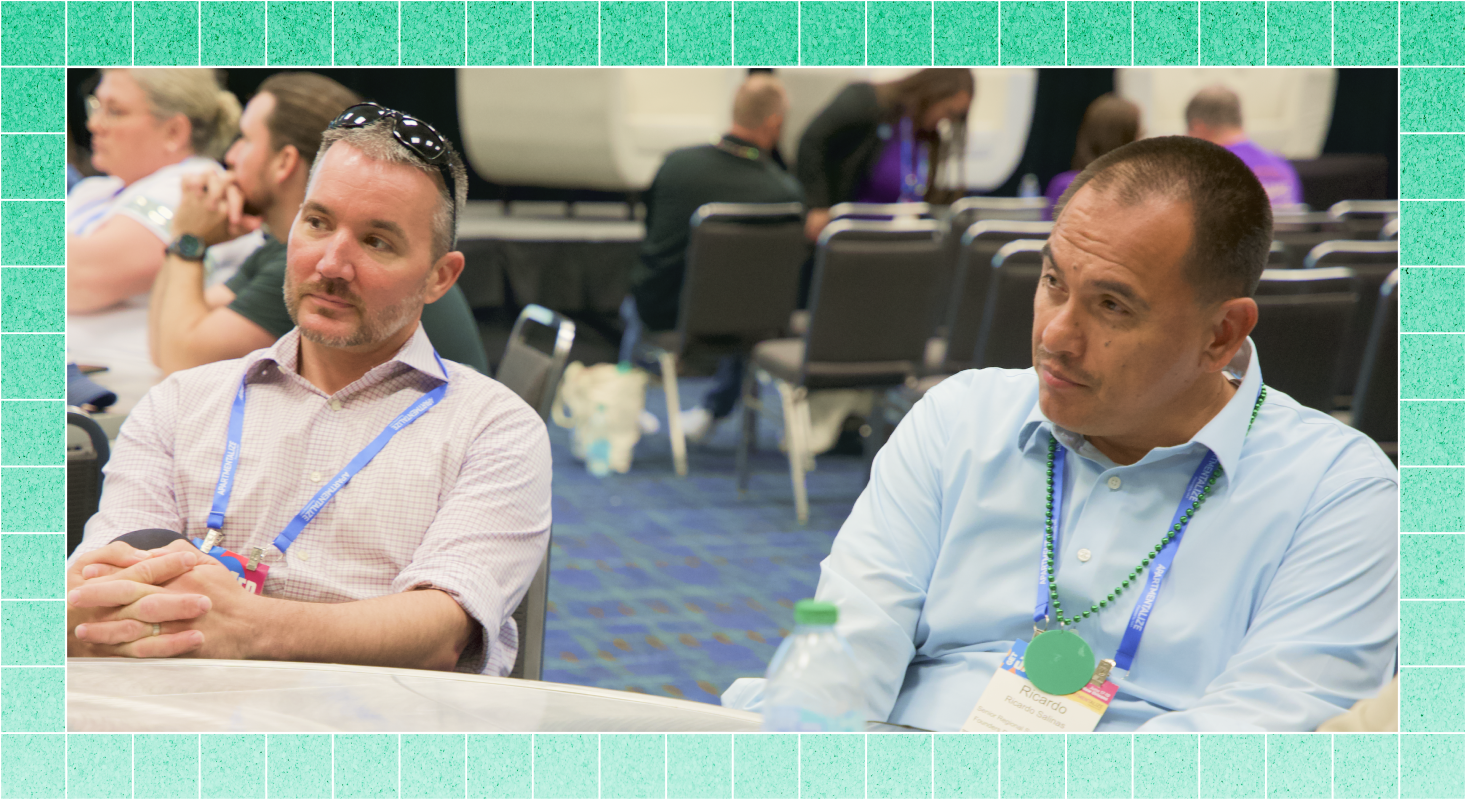
The session closed with small-group exercises — attendees working through real people on their teams who were struggling, trading notes on what they’d tried and what had actually worked.
One table shared a team mid-rollout on a new work order system. The technicians were frustrated, skeptical, not bought in. The realization: nobody had explained the why. Not “here’s how to use it” but “here’s how this makes your day better.” That framing changes everything.
Another group talked about a supervisor they’d finally decoded — one who was hard to reach and resistant to conversations about himself, but who opened up immediately when the conversation shifted to what his team needed. Getting to the supervisor through his team turned out to be the key.
“Supervisors are problem solvers, but they’re also people-oriented. If you get them to talk about their team and what their team needs, you start to hear the real honesty about what’s happening in their operation.”— Angela Drysdale, CAPS | Regional Maintenance Director, Willow Bridge Property Company
A Simple Question for Multifamily Leaders: How Are Your Technicians?
What came through clearly across the session: maintenance teams are the operational core of every multifamily asset. They’re managing hundreds of millions of dollars in property. And the industry has a habit of solving for everything except the people doing the work.
The best leaders in the room weren’t waiting for a systemic fix. They were calling their technicians — not about work orders, just to ask how they were doing. They were naming small wins out loud. They were asking “what would you do?” and meaning it.
“Our teams are the unsung heroes. They’re the glue that keeps these properties running — hundreds of millions of dollars in assets, held together by people we need to take better care of.”— Ben Nowacky | President, HappyCo
That’s not soft. That’s strategy.
Lauren Seagren is the Content Marketing Specialist at HappyCo, where she leads the company’s content strategy and storytelling across channels. She develops and optimizes campaigns, blogs, case studies, and enablement materials, while building the systems that help content scale and align across teams. Prior to HappyCo, Lauren led content and brand strategy across SaaS startups, creative agencies, and growth-stage companies, bringing more than a decade of experience driving measurable growth across B2B and B2C organizations.


