




What is a Tenant Move-In Inspection Checklist?
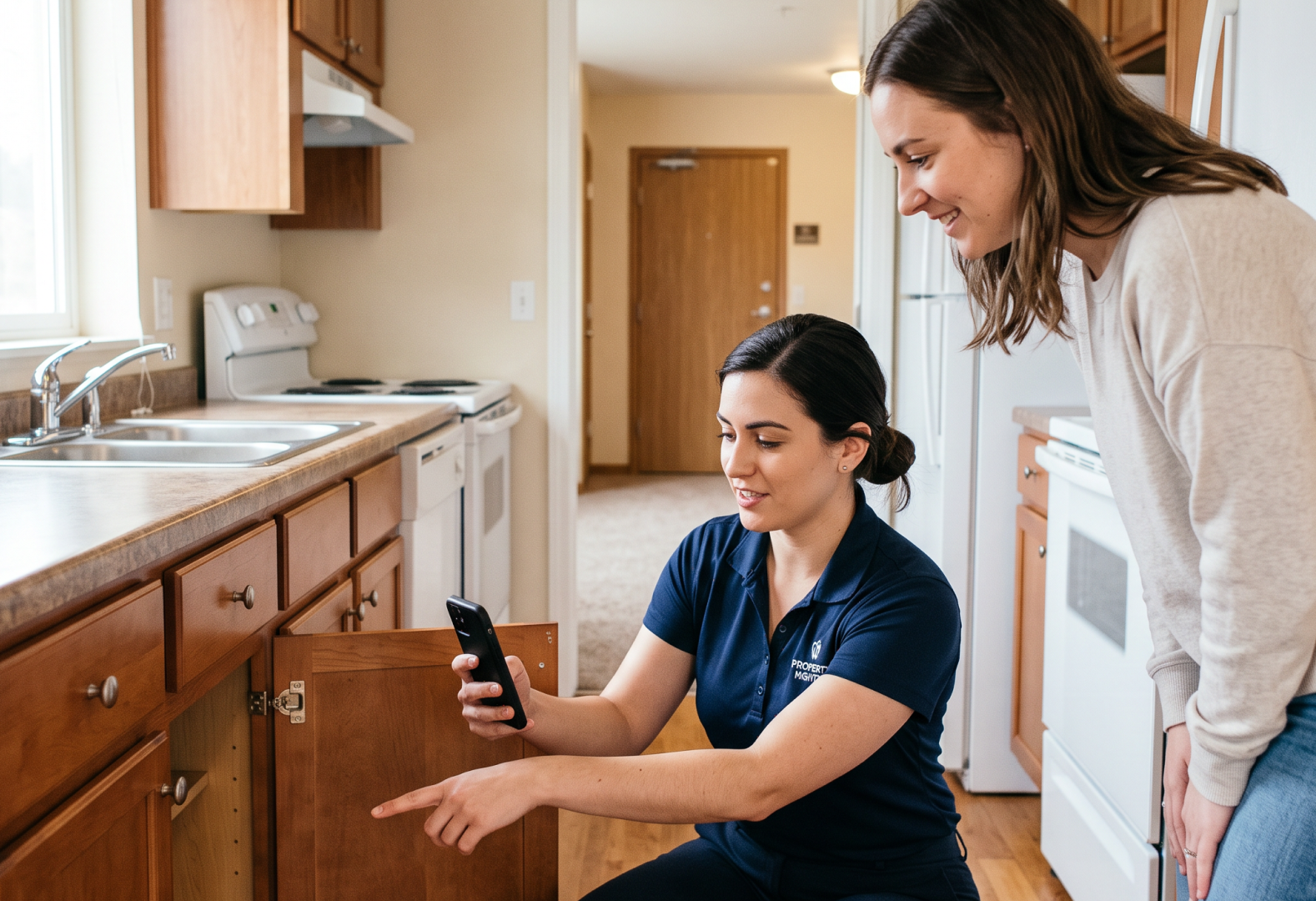
A tenant move-in inspection checklist is a structured, room-by-room record of a unit's condition at the exact moment a resident takes possession. It covers everything from paint and flooring to appliances, safety systems, and fixtures — documented with notes, photos, and (ideally) a signature from both the resident and the property team.
Think of it as the baseline. Every future move-out inspection, every damage claim, every security deposit conversation gets measured against what this checklist captured on day one. Without it, you're relying on memory and assumption — neither of which holds up when a resident disputes a charge.
Why Move-In Inspections Are Important
A tenant inspection checklist isn't paperwork for paperwork's sake. It's the single piece of documentation that most directly affects revenue, resident trust, and legal exposure at move-out.
- Prevent security deposit disputes — a documented baseline means deductions are backed by evidence, not opinion.
- Document pre-existing damages — protects residents from being charged for wear that existed before they moved in.
- Improve tenant transparency — residents who walk through the unit with the team trust the process more than one they're simply handed a form for.
- Ensure rental readiness — catching an overlooked repair before move-in is far cheaper than fixing it mid-lease or after a resident complaint.
For maintenance teams already stretched across make-readies and service requests, a consistent checklist also means less guesswork about what "ready" actually means before keys go out.
How to Prepare for a Tenant Move-In Inspection
A move-in inspection is only as good as the prep behind it. Rushing this stage is where most checklists start to fall apart.
Schedule the Walkthrough
Set the inspection far enough ahead of the move-in date to catch and fix anything that needs attention — not the same morning the resident is due to arrive with a moving truck.
Gather Inspection Documents
Pull the checklist template, the unit's maintenance history, and any prior turn or make-ready notes before you walk in. Knowing what was repaired or replaced during turnover gives context to what you're inspecting.
Take Photos & Videos
Photo and video documentation is the difference between "the carpet was already stained" and a dispute nobody can resolve. Capture wide shots of every room plus close-ups of anything with visible wear.
Check Utilities & Appliances
Confirm water, power, and HVAC are functioning before the resident's first night in the unit — not after a maintenance request comes in on day two.
The Complete Tenant Move-In Inspection Checklist
Here's the full rental property move-in checklist, broken out by area, so nothing gets missed during the walkthrough.
Exterior Inspection Checklist
- Doors & locks
- Windows
- Patio/balcony
- Outdoor lighting
Living Room & Common Areas Checklist
- Walls & paint
- Flooring & carpets
- Smoke detectors
- Electrical outlets
Kitchen Inspection Checklist
- Appliance condition
- Cabinets & countertops
- Sink & plumbing
- Garbage disposal
Bathroom Inspection Checklist
- Toilets & faucets
- Water pressure
- Mold or leaks
- Ventilation systems
Bedroom Inspection Checklist
- Closet doors
- Windows & blinds
- Flooring condition
- Ceiling fans & lighting
HVAC & Safety Systems Checklist
- Air conditioning & heating
- Thermostat
- Fire alarms
- Carbon monoxide detectors
A checklist this detailed only pays off if it's actually followed the same way every time — which is where standardizing the process across a portfolio through maintenance operations makes the difference between one great inspection and a hundred consistent ones.
Tenant Walkthrough Checklist Best Practices
The checklist tells you what to look at. These practices determine whether the documentation actually protects everyone involved.
Document Existing Damage
Note it, however minor. A small scuff you skip today becomes an argument about who caused it a year from now.
Use Photos for Proof
A note that says "minor wear on the cabinet" is easy to dispute. A photo, time-stamped and attached to the unit record, isn't.
Review the Checklist With Tenants
Walk the resident through the findings before they sign. Shared visibility upfront is what makes the record credible later.
Keep Signed Inspection Records
Store the completed, signed checklist somewhere it can be pulled instantly at move-out — not buried in an inbox or a filing cabinet.
Common Move-In Inspection Mistakes to Avoid
Most disputes trace back to one of these gaps.
Skipping Photo Documentation
Notes fade. Photos don't. If it's not photographed, it's harder to prove it was there.
Missing Minor Damages
Small issues left off the checklist become the resident's responsibility by default — fairly or not.
Not Testing Appliances
A quick visual check isn't the same as confirming the dishwasher, stove, and disposal actually work.
Forgetting Safety Checks
Smoke detectors and carbon monoxide alarms aren't optional line items — they're the ones most likely to matter in an emergency.
Failing to Save Inspection Report
An inspection that isn't stored somewhere retrievable might as well not have happened when a dispute comes up months later.
Digital Tools for Tenant Move-In Inspections
Paper checklists get lost, smudged, or left in a truck. Digital tools close that gap.
Digital Inspection Apps
Purpose-built inspection apps standardize what gets checked, room by room, so no two inspections look different just because two different people ran them.
Mobile Checklist Tools
Mobile-first tools let the person doing the walkthrough capture everything on-site, in real time — no re-entering notes from a paper form later.
Photo Documentation Software
Attaching photos directly to each checklist item, rather than storing them separately, keeps the visual evidence tied to the exact issue it documents.
Automated Inspection Reporting
Automated reporting turns a completed inspection into a shareable, storable record instantly — ready to reference the moment a move-out conversation starts.
Move-In Inspection Process for Property Managers
For operators managing this across dozens or hundreds of units, consistency is the whole game:
- Standardize inspection processes across every property, not just the ones with hands-on managers.
- Use detailed checklists so quality doesn't depend on who's running the walkthrough.
- Conduct inspections before move-in day, with enough runway to fix what needs fixing.
- Communicate expectations clearly with residents so the process feels collaborative, not adversarial.
And when an inspection surfaces a repair that's outside the team's bandwidth — a specialty appliance issue, a plumbing fix that needs a licensed vendor — routing it through vendor sourcing keeps the move-in date on track instead of waiting on a callback.
What a Better Move-In Inspection Actually Buys You
A tenant move-in inspection checklist isn't about generating paperwork — it's about generating trust and evidence at the exact moment both matter most. Do it well, and you've protected the resident from unfair charges, protected the property from unfounded claims, and built a record that makes every future conversation about this unit shorter and less contentious.
FAQs
What Happens if Damage is Not Documented at Move-In?
Without a documented baseline, it's difficult to prove whether damage existed before the resident moved in or occurred during the lease — which weakens any deposit deduction or dispute resolution later.
Are Move-In Inspection Checklists Legally Required?
Requirements vary by state and municipality; many jurisdictions require some form of move-in/move-out documentation to support deposit deductions. Check local landlord-tenant law for specifics in your market.
How Long Does a Tenant Move-In Inspection Take?
A thorough walkthrough typically takes 30–60 minutes depending on unit size, though larger units or those with more fixtures and systems to check may take longer.
Who is Responsible for the Move-In Inspection?
Typically the property manager, leasing agent, or maintenance team conducts the inspection, ideally with the resident present to review and sign off on findings together.
How Detailed Should a Rental Move-In Checklist Be?
Detailed enough to cover every room, system, and fixture a resident could reasonably be held accountable for at move-out — vague or incomplete checklists create gaps that turn into disputes later.
Lauren Seagren is the Content Marketing Specialist at HappyCo, where she leads the company’s content strategy and storytelling across channels. She develops and optimizes campaigns, blogs, case studies, and enablement materials, while building the systems that help content scale and align across teams. Prior to HappyCo, Lauren led content and brand strategy across SaaS startups, creative agencies, and growth-stage companies, bringing more than a decade of experience driving measurable growth across B2B and B2C organizations.


