


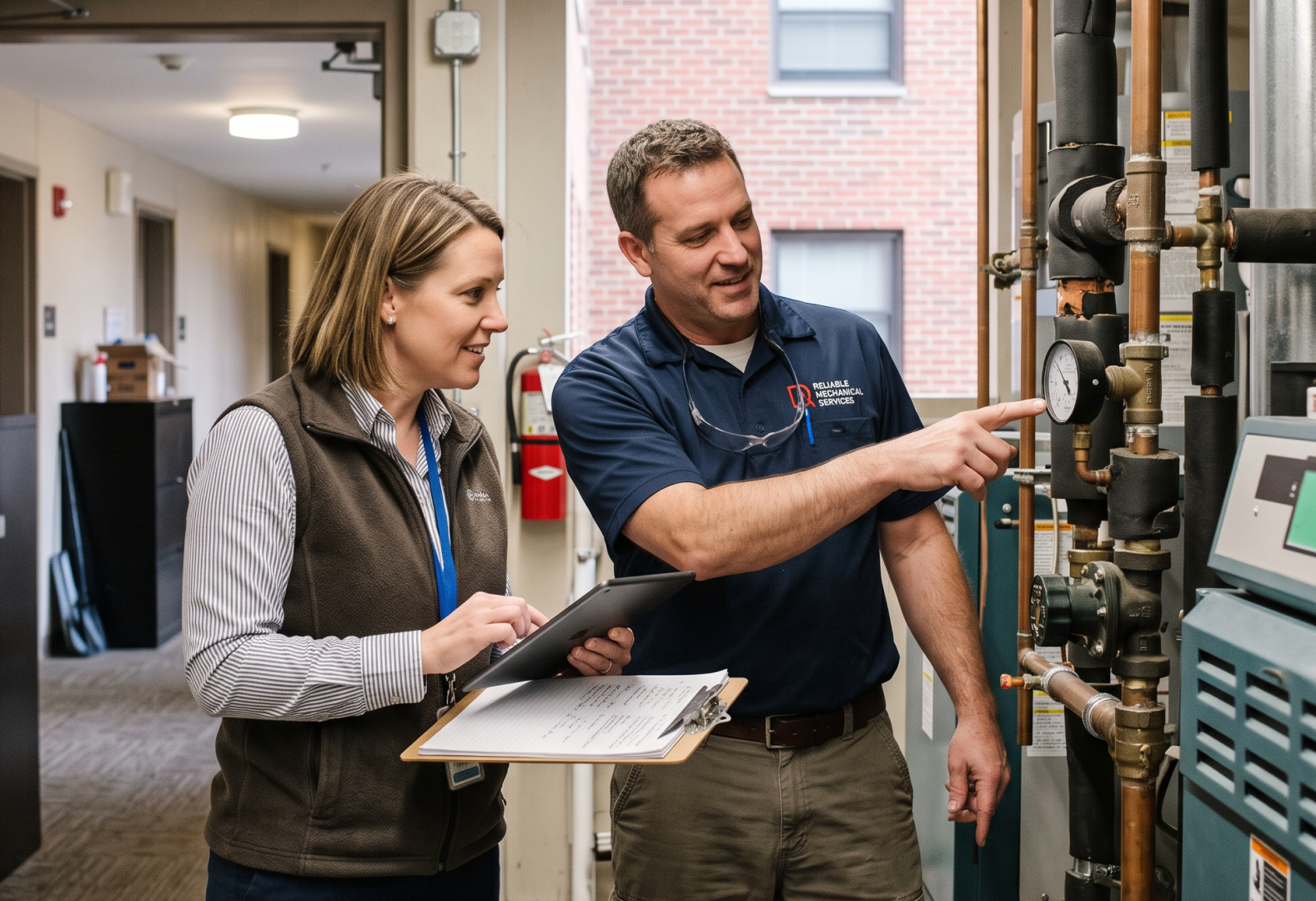


What Are Property Management Vendors?
Property management vendors are the external service providers and contractors your operation relies on to maintain, repair, and improve your properties. They include everyone from licensed plumbers and electricians to cleaning crews, pest control companies, and security technology providers.
In multifamily, vendors handle a wide range of work — from emergency response and routine maintenance to major capital projects and specialty services your in-house team isn't equipped to tackle. A well-structured vendor network is a competitive advantage: faster resolution times, predictable costs, and residents who notice when things get fixed quickly and correctly.
Why Vendor Management is Important in Property Management
Vendor management is one of the most overlooked leverage points in multifamily operations. Here's why it deserves more attention than most operators give it:
- Resident experience depends on vendor performance. When a service request sits open because a vendor didn't show, your resident feels it. Vendor responsiveness and quality directly affect retention — and retention drives NOI.
- Compliance and liability risk is real. Unvetted vendors working on your properties can create serious liability exposure. Licensing lapses and non-compliant work aren't just operational problems — they're legal ones.
- Cost consistency requires structure. Without contracts and performance tracking, vendor costs drift. Rates increase quietly. Scope creeps. A disciplined vendor management approach keeps costs predictable and justifiable to ownership.
- Scale requires standardization. Managing vendors across a 500-unit portfolio is manageable. Across 5,000 units in multiple markets, it requires standardized processes, centralized documentation, and consistent performance expectations.
- Emergency readiness depends on your vendor bench. When a pipe bursts or an HVAC fails in peak summer, you need to know exactly who to call, how fast they'll respond, and what it'll cost. That confidence comes from vendor relationships you've built intentionally — not scrambled for in the moment.
Common Types of Property Management Vendors
Multifamily properties rely on a broad ecosystem of vendors. Here's how the major categories break down.
Maintenance & Repair Vendors
Your most frequently engaged vendor category — general maintenance contractors who handle everything from drywall repairs and door hardware to appliance replacements and make-ready turns. Reliable, responsive maintenance vendors directly impact turn times and unit readiness.
HVAC Vendors
Given the frequency of HVAC service requests and the cost of system failures, a strong HVAC vendor relationship is essential. Look for certified technicians, broad availability including after-hours, and familiarity with the system types across your portfolio.
Plumbing & Electrical Contractors
Licensed plumbing and electrical contractors handle both routine service and emergency response. Licensing verification is non-negotiable — unlicensed work creates liability and can void insurance coverage.
Landscaping & Pest Control Vendors
Curb appeal matters for leasing. Pest control matters for retention and compliance. Both benefit from recurring service agreements with clearly defined scopes and seasonal expectations built in.
Cleaning & Janitorial Services
Common area cleaning, post-turn unit cleaning, and move-out cleans all require reliable, consistent vendors. In larger communities, this often means a dedicated cleaning partner rather than ad hoc scheduling.
Security & Technology Providers
Access control systems, security cameras, intercom systems, and smart locks increasingly require specialized technology vendors. As multifamily communities invest more in PropTech, the vendor relationship expands from maintenance into ongoing technology support.
How to Source Vendors for Property Management
Finding the right vendors for your portfolio isn't just about running a search. Here's a disciplined sourcing approach that scales.
Define Property Needs
Before soliciting vendors, get clear on exactly what you need. What work types are highest volume? Where are you relying on a single vendor with no backup? What capabilities do you need in each market? A clear needs definition makes your sourcing more targeted and vendor conversations more productive.
Research Local Vendors
Start local — most maintenance work requires geographic proximity. Industry associations like National Apartment Association affiliates, peer referrals from other operators, and regional trade networks are strong sourcing channels. Prior multifamily experience matters: apartment work has different rhythms, resident communication expectations, and unit access protocols than commercial or single-family work.
Check Reviews & References
Before any vendor conversation goes far, check Google reviews and industry platforms. More importantly, ask for references from other multifamily operators — and actually call them. Ask specifically about responsiveness, quality consistency, and how the vendor handles problems when they arise.
Verify Licensing & Insurance
This step isn't optional. Verify that every vendor carries the licenses required for their work type in your jurisdiction, and that their general liability and workers' comp insurance are current and adequate. Request certificates of insurance directly from the vendor's carrier — not screenshots or self-reported documentation.
Compare Pricing & Service Agreements
Get competitive quotes before committing, and structure service agreements that clearly define scope, pricing, response time expectations, and escalation procedures. Vague agreements create disputes. Clear agreements prevent them.
How to Manage Property Management Vendors
Sourcing good vendors is half the work. Managing them consistently is where most operations fall down.
Set Clear Expectations
From day one, be explicit about what you expect: response time standards for different urgency levels, communication protocols, documentation requirements, and quality standards. Vendors perform better when they know exactly what "good" looks like in your operation.
Use Vendor Contracts & SLAs
Every vendor relationship should be governed by a written contract. Service Level Agreements (SLAs) define minimum performance standards — response times, completion rates, escalation paths — and give you a documented basis for performance conversations and, when necessary, vendor transitions.
Track Vendor Performance
You can't manage what you don't measure. Track key vendor metrics: response time, job completion rate, callback rate, resident satisfaction scores where available, and cost per work order. Even basic tracking surfaces patterns that inform your vendor decisions.
Maintain Communication & Documentation
Good vendor management requires ongoing communication — not just when something goes wrong. Regular check-ins, clear work order documentation, and accessible communication channels keep relationships productive and create the paper trail you need when issues arise.
Schedule Regular Evaluations
Review vendor performance at least annually. Bring your top-volume vendors in for a structured conversation about what's working and what needs to change. Use performance data as the foundation — not whoever complained most recently.
Vendor Management Best Practices for Property Managers
Operators who run tight vendor programs at scale tend to share these practices
- Build redundancy into your vendor bench. For any high-frequency or high-stakes service category, don't rely on a single vendor. Have at least one backup for HVAC, plumbing, electrical, and any category where a vendor no-show creates an emergency.
- Centralize vendor documentation. Insurance certificates, contracts, licenses, and performance records should live in a centralized, accessible system — not scattered across property manager email inboxes.
- Standardize your vendor onboarding process. Every new vendor should go through the same intake: documentation verification, contract execution, system setup, and a brief orientation to your performance expectations. Consistency protects you legally and sets the relationship up right from the start.
- Tie vendor relationships to your work order system. Vendors who receive work orders through a structured system — with clear scopes, documented completion, and photo requirements — produce better, more consistent results than those managed through text threads.
- Don't let pricing drive every decision. The lowest-cost vendor is often the highest total cost of ownership when you factor in callbacks, rework, resident complaints, and management time.
Common Vendor Management Mistakes to Avoid
Even experienced operators make these mistakes — often without realizing it until the damage is done
- Choosing vendors based only on price — Price is one input, not the only one. Evaluate qualifications, references, reliability, and the true cost including any rework required.
- Poor communication — Vague work orders, slow approvals, and inconsistent feedback create friction on both sides. Treat your best vendors as operational partners.
- Lack of compliance verification — Build insurance and licensing verification into your annual vendor review process and set calendar reminders before renewals.
- Delayed payments — Vendors who aren't paid on time deprioritize your work. A reputation for prompt payment is a competitive advantage in tight vendor markets.
- No performance tracking — Without data, vendor performance is based on whoever complained most recently. Track the numbers.
Technology & Tools for Vendor Management
Modern vendor management in multifamily is increasingly tech-enabled — and for good reason.
Vendor Management Software
Dedicated vendor management platforms centralize onboarding documentation, insurance tracking, contract storage, and compliance alerts. For portfolios above a few hundred units, the manual alternative quickly becomes unworkable.
Work Order Management Systems
Integrated work order management connects vendor dispatch to property maintenance requests — creating a complete audit trail from request to completion. This integration is essential for tracking vendor performance accurately and for building the historical data that informs CapEx planning.
Digital Vendor Communication Tools
Platforms that enable structured communication between property teams and vendors — including work order notes, photo documentation, and completion confirmation — reduce the miscommunication that plagues vendor relationships managed through texts and phone calls.
Automated Vendor Tracking & Reporting
Automated reporting on vendor performance metrics gives operations leaders visibility across their portfolio without manual data aggregation. The best platforms surface outliers automatically — so you know when a vendor is underperforming before it becomes a resident complaint.
How Vendor Management Improves Property Operations
The compounding effects of disciplined vendor management show up across your entire operation:
- Faster issue resolution — When your vendor bench is organized and responsive, maintenance issues get resolved faster. Shorter open work orders, fewer escalations, residents who feel taken care of.
- Better maintenance efficiency — Vendors who know your properties, understand your standards, and operate within a structured system produce fewer callbacks and cleaner handoffs.
- Improved resident satisfaction — Resident satisfaction is heavily influenced by how quickly and well maintenance issues get resolved. A strong vendor network is a direct input to renewal rates.
- Reduced operational risk — Properly vetted, contracted, and insured vendors reduce your liability exposure. Documented performance tracking gives you a defensible record if disputes arise..
Why Your Vendor Network Is Your Competitive Edge
Vendor management isn't glamorous work — but it's foundational. The quality of your vendor network determines how fast issues get resolved, how consistent your properties look, and how exposed your operation is when something goes wrong. For multifamily operators managing at scale, building a structured, documented, and technology-enabled vendor program isn't optional — it's how you maintain quality without adding headcount.
Start with clear expectations, verified compliance, and performance tracking. Build from there.
FAQs
How Do Property Managers Choose the Right Vendors?
The right vendor selection process starts with a clear definition of your property's needs, followed by thorough market research, reference checks with other multifamily operators, licensing and insurance verification, and competitive pricing comparison. For ongoing relationships, the best predictor of future performance is documented past performance — which is why tracking vendor metrics from day one matters.
How Can Property Managers Improve Vendor Communication?
Better vendor communication starts with structured work orders that clearly define scope, location, access instructions, and completion requirements. Using a shared communication platform rather than personal phone numbers, building in photo documentation requirements, and scheduling regular performance check-ins all reduce the friction and miscommunication that drives vendor problems. The goal: expectations are clear before the work starts — not clarified after something goes wrong.
What Is Vendor Onboarding in Property Management?
Vendor onboarding is the formal process of setting a new vendor up to work on your properties. It includes: collecting and verifying licensing and insurance documentation, executing a service agreement, setting up the vendor in your work order system, and orienting them to your performance expectations and communication protocols. A standardized onboarding process ensures consistency across your portfolio and protects you legally from day one.
How Do Maintenance Vendors Support Property Management Operations?
Maintenance vendors extend your in-house team's capacity — handling work that requires specialized licensing, covering volume that exceeds in-house bandwidth, and providing emergency response capabilities that no fixed team can staff on its own. In multifamily, the right vendor bench makes the difference between responding to maintenance issues in hours versus days. That speed directly affects resident satisfaction and retention.
Why Is Preventive Maintenance Important in Property Management Vendors?
Preventive maintenance programs — executed through reliable vendor relationships — catch issues before they become emergencies. HVAC filter changes, annual plumbing inspections, and regular exterior walkthroughs all require vendor coordination, and all contribute to reducing the frequency and cost of reactive repairs. Operators who invest in preventive maintenance vendor programs consistently report lower emergency call volumes and better resident satisfaction scores.
Lauren Seagren is the Content Marketing Specialist at HappyCo, where she leads the company’s content strategy and storytelling across channels. She develops and optimizes campaigns, blogs, case studies, and enablement materials, while building the systems that help content scale and align across teams. Prior to HappyCo, Lauren led content and brand strategy across SaaS startups, creative agencies, and growth-stage companies, bringing more than a decade of experience driving measurable growth across B2B and B2C organizations.


